When seeking an experienced PEST CONTROL SEVICE Blacklick property owners rely on systematic diagnostic evaluations to halt active structural invasions and nesting cycles. ForestVale Pest Response identifies exterior vulnerabilities, tracks internal nesting runs, and applies mechanical exclusion alongside targeted low-impact applications.

PEST CONTROL SEVICE company in Blacklick is an on-site structural remediation and pest management provider that diagnoses bio-pressures, seals structural access points, and applies targeted barrier treatments across eastern Franklin County properties.
Every service reflects the same meticulous attention to detail, whether it's a single job or a larger pest control sevice project across Blacklick.
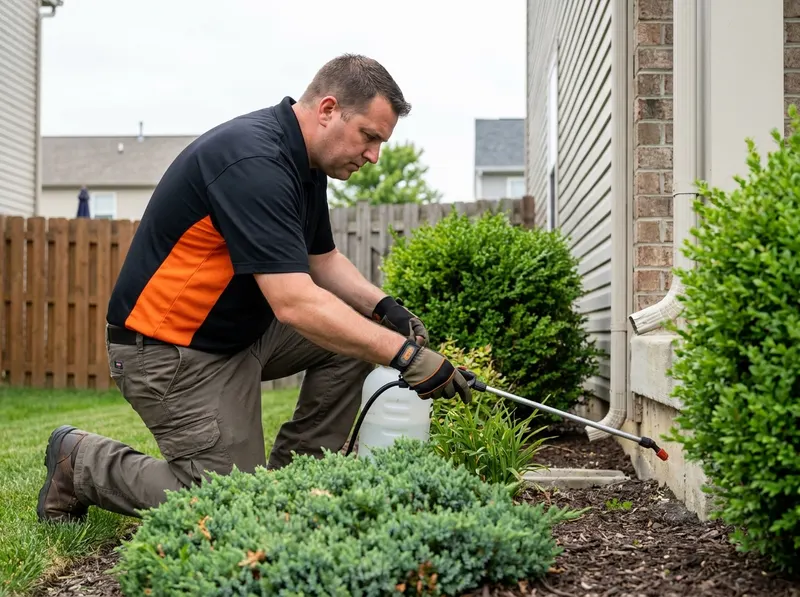
Residential pest management protects living spaces from crawling insects, interior invaders, and food-contaminating species. ForestVale Pest Response focuses on precision interior crack-and-crevice treatments using low-toxicity pyrethroid formulations paired with continuous exterior perimeter barriers around foundation walls and window lintels. Diagnostic protocols isolate moisture leaks and foundation gaps that draw pests indoors, ending recurring cycles without continuous, indiscriminate broad-spectrum sprays. Technicians treat threshold junctions, pipe runs under sinks, basement window frames, and rim joists. Every compound deployed complies with EPA pesticide regulations to protect interior air quality and prevent chemical tracking across carpeted surfaces. Detailed inspection logs document sanitation vulnerabilities, indoor relative humidity issues, and structural conditions that foster insect harborage.
Get a quote →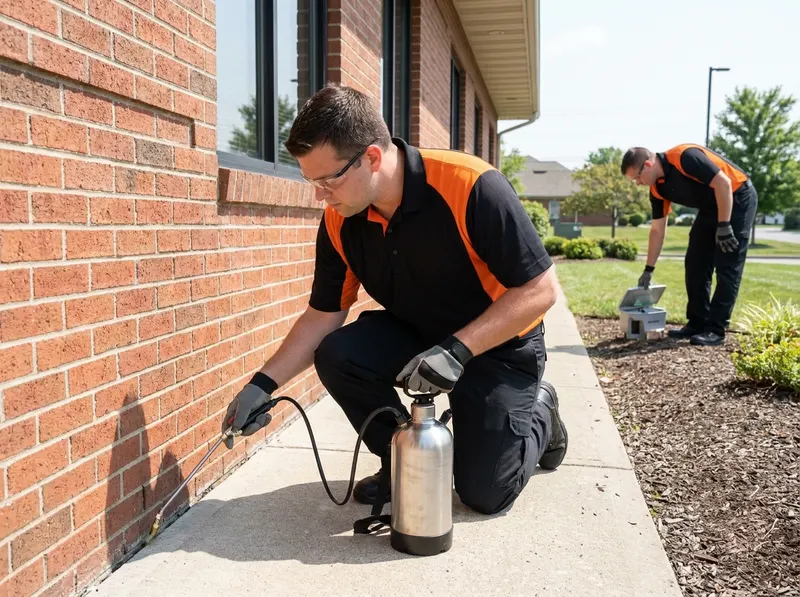
Commercial pest management satisfies health safety regulations for offices, retail stores, food handling facilities, and light industrial spaces throughout eastern Franklin County. Our technicians design discrete treatment plans that integrate physical pest entry reduction, sanitary audits, and tamper-resistant pest monitoring stations. Every commercial account adheres to strict documentation standards consistent with local health board requirements to maintain clean facilities without business disruption. Industrial facilities near corporate logistics corridors benefit from electronic barcoded scanning at each exterior station. Interventions adhere to protocols established by the CDC National Center for Environmental Health , mitigating disease vectors and safeguarding supply chain commodities from destructive contamination.
Get a quote →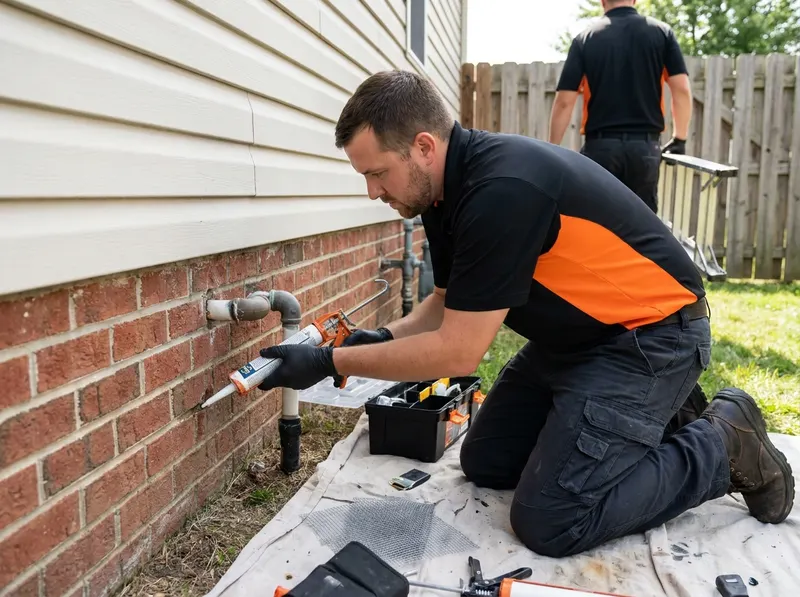
Rodent control terminates house mice and Norway rat activity through scientific tracking, trap placement, and architectural hardening. Technicians inspect foundation sills, roof returns, crawlspace vents, and plumbing penetrations to identify active gnaw marks and rub spots. Entry voids larger than one-quarter inch are mechanically sealed using stainless steel mesh, copper cloth, and expanding polyurethane backing to permanently sever structural access corridors. Indoor snap-trapping programs isolate rodents within wall cavities and drop ceilings without leaving decaying pests in hidden voids. Exterior containment leverages lockable stations secured to concrete footings. Our protocols align with structural rodent containment guidelines provided by the Occupational Safety and Health Administration to protect structural insulation and building wiring from fire-inducing gnawing behavior.
Get a quote →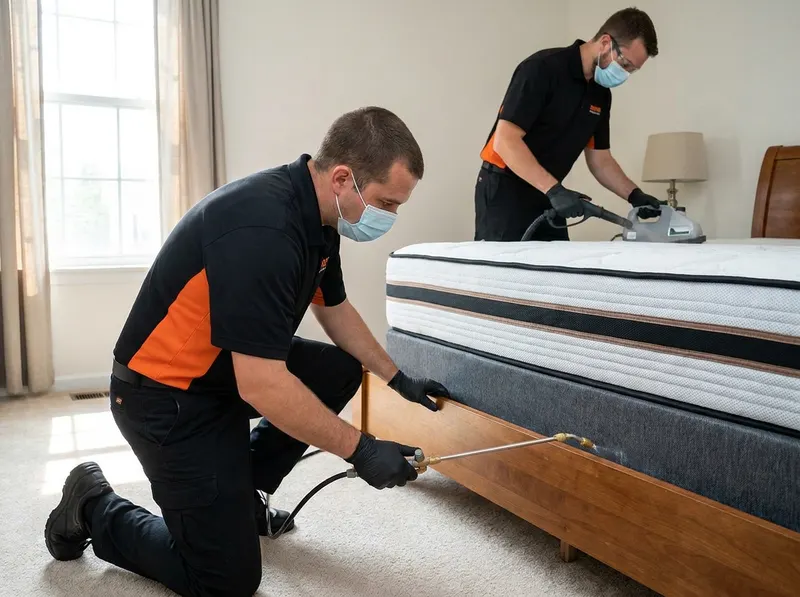
Bed bug treatments resolve severe Cimex lectularius infestations through meticulous physical harbor-site extraction and long-residual insect growth regulator applications. ForestVale Pest Response strips down bed frames, headboards, mattress tufts, electrical wall outlets, and baseboards to eliminate living insects and unhatched eggs. Detailed client prep instructions and mandatory follow-up inspections ensure total colony collapse without lingering chemical odors. Technicians apply specialized desiccating dusts such as amorphous silica within hollow furniture legs, behind baseboard molding, and around wall void penetrations. We adhere to scientific standards outlined by the Entomological Society of America , targeting chemical-resistant bed bug populations with multi-mode formulations that disrupt nymph development and break the reproductive egg cycle.
Get a quote →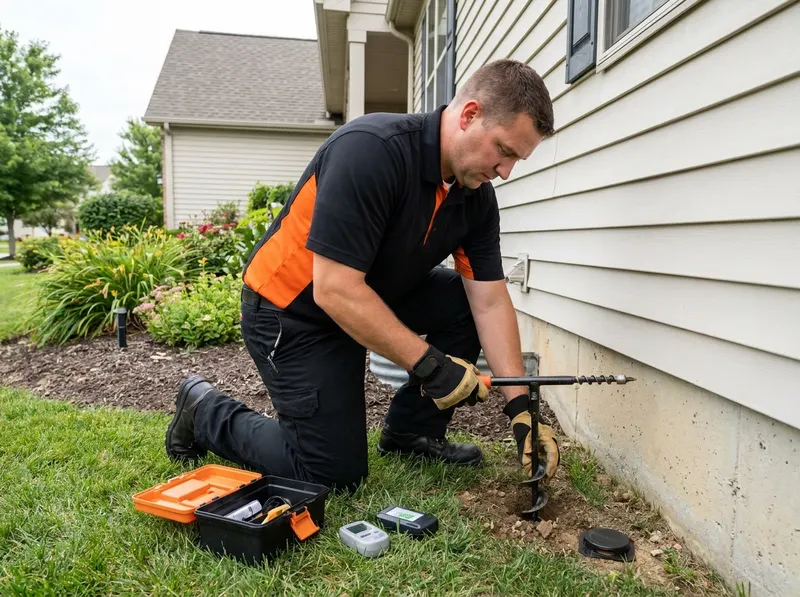
Subterranean termite management stops destructive Reticulitermes flavipes colonies from degrading structural sills, floor joists, and drywall paper. Technicians map out mud shelter tubes, test wood moisture content, and place non-repellent liquid termiticide barriers along foundation footing zones or install high-durability exterior bait stations. Ongoing structural monitoring tracks perimeter soil activity to intercept worker termites before structural timbers suffer severe compression damage. Soil trenching treatments apply termiticide directly to the sub-grade along exterior block walls and slab foundations. Structural inspections align with technical evaluation criteria defined by the USDA Forest Service , which monitors subterranean insect behaviors, soil moisture correlations, and wood preservation strategies across Midwestern building envelopes.
Get a quote →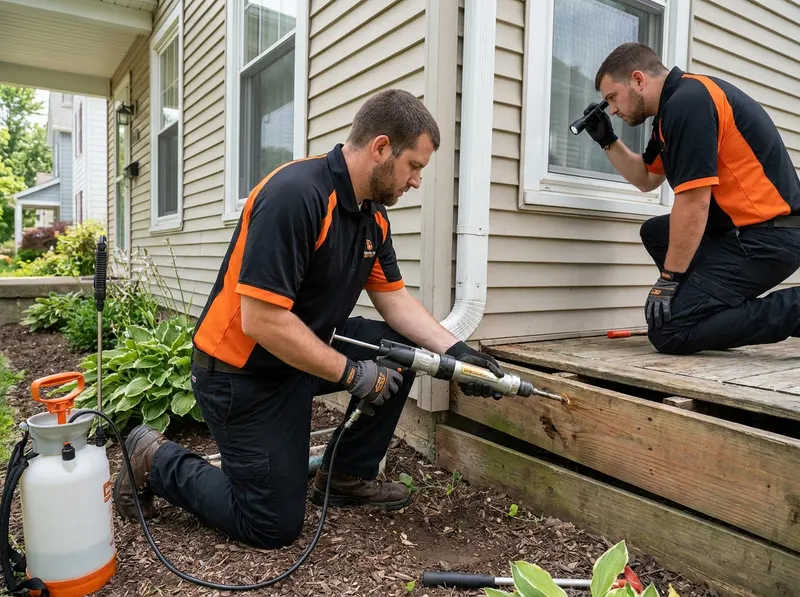
Carpenter ant services eliminate Camponotus species nesting inside wall voids, roof overhangs, and moist framing plates. Instead of chasing surface foragers, technicians locate structural moisture damage, trace active exterior trails back to satellite tree nests, and apply slow-acting non-repellent transfer baits. The foraging workers distribute these targeted active ingredients directly to the egg-laying queen, collapsing hidden internal colonies. Our technicians drill discreet access holes directly into affected wall voids, injecting dry micro-powder insecticides directly into parental and satellite nesting cavities. Moisture mitigation counseling highlights structural roof flashing failures, damaged gutter lines, and soil-to-wood ground contact points, conforming to structural protection principles published by the MSU Extension Service .
Get a quote →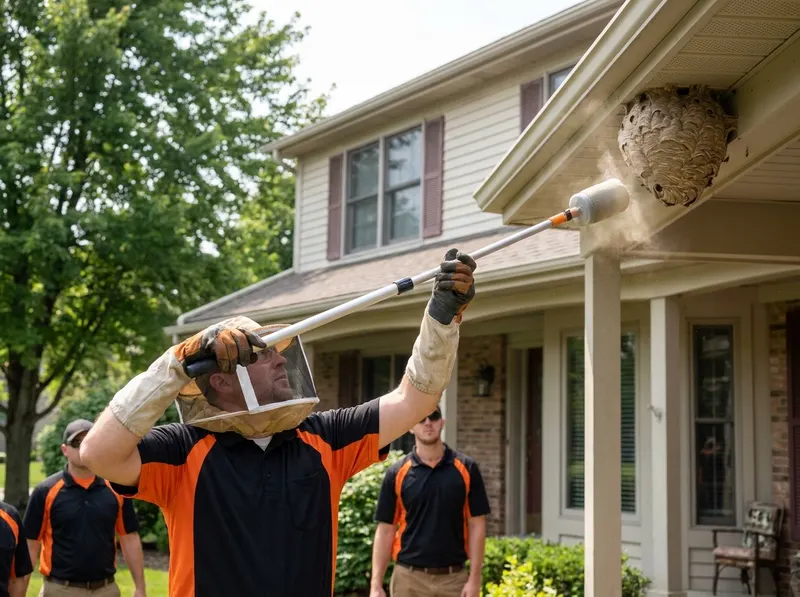
Stinging insect remediation safely neutralizes paper wasps, bald-faced hornets, and ground-nesting yellow jackets hanging around eaves, porch roofs, and landscape beds. Our technicians employ aerosolized knock-down agents and specialized protective equipment to remove paper nests and treat subterranean burrows without triggering defensive swarming events. Protective barrier applications discourage queens from constructing replacement nests during peak summer flight cycles. Void treatments behind aluminum fascia boards and vinyl siding corner posts prevent yellow jackets from establishing secondary indoor paper nests that could penetrate plaster ceilings. Our environmental precautions ensure compliance with standards outlined by the U.S. Fish and Wildlife Service , preventing off-target pesticide exposure to native bumblebees and beneficial pollinator species.
Get a quote →Mosquito and tick treatments reduce disease-carrying vector pests across outdoor leisure zones, turf lines, and wooded transition edges. Technicians apply focused misting treatments of microencapsulated adulticides paired with biological larvicides to shaded foliage, low shrub canopies, and standing-water collection areas. This multi-tiered barrier significantly reduces biting pressures and lowers exposure to tick-borne pathogens throughout the humid Ohio summer. Backpack mist blower equipment deposits microscopic droplets underneath broadleaf ornamentals and dense ground covers where Culex mosquitoes and Ixodes scapularis ticks harbor during daylight hours. Biological larvicides utilizing Bacillus thuringiensis israelensis neutralize larval development in drainage swales and un-drained landscape pockets, operating in accordance with research published by the U.S. Army Public Health Center .
Get a quote →You get a firm, itemized quote for your pest control sevice before any work begins, no surprises, no pressure.
Careful prep, tidy work, and a full cleanup when we are done. We treat your home and belongings like our own.
The same trusted, background-checked team from the first call to the final check.
Selecting structural pest treatment depends on nesting biology, building architecture, and tolerance thresholds. If the property exhibits localized seasonal insect activity such as pavement ants, boxelder bugs, or brown marmorated stink bugs, choose targeted exterior barrier applications and exterior door-sweep adjustments; if the structure shows signs of structural or health-threatening activity like carpenter ants, wood-boring powderpost beetles, or subterranean termites, choose deep void injection and sub-slab barrier defenses. The trade-off is higher initial labor and diagnostic duration versus preventing thousands of dollars in hidden timber repair.
If property managers experience attic noises, wall scratching, or chewed electrical lines, choose mechanical rodent exclusion alongside tamper-resistant exterior bait stations; if seeking general nuisance insect suppression, choose quarterly microencapsulated exterior foundation bands. The trade-off centers on upfront mechanical sealing investments versus recurring perimeter maintenance visits. For flying pests in outdoor living spaces, seasonal barrier spraying reduces vector activity, though habitat mitigation remains necessary for long-term standing water suppression.
Every project gets a firm, written price after an on-site visit. Ranges below for orientation.
Tell us about your pest control sevice job and we'll send a clear, written quote, usually the same day. Or just call and talk to a real Blacklick pro.
(380) 255-6028
Properties throughout Blacklick face distinct pest pressures driven by high water tables, proximity to the Blacklick Creek watershed, and dense hardwood tree lines near Blacklick Woods Metro Park. Neighborhoods such as Woods at Jefferson and Saddle Run feature mature timber lots where carpenter ants and white-footed mice thrive, while the expansive damp soil conditions in Jefferson Run foster persistent subterranean termite swarming every spring. As seasonal temperatures drop along the Broad Street corridor, rodents and brown marmorated stink bugs shift inward toward heated attics and utility basements, making mechanical exclusion along sill plates essential. Subdivisions near Jefferson Golf and Country Club experience dense clay soil compaction, leading to localized drainage delays after summer rainstorms that dramatically accelerate mosquito breeding cycles in shallow lawn depressions. Older rural farmsteads and modernized ranch homes across Havens Corners and Broadview Heights often present fieldstone foundations and uncapped crawlspaces that require custom structural steel framing defenses to block migrating Norway rats and meadow voles. Commercial retail spaces near the Broad Street Park-and-Ride terminal sustain elevated foot traffic, necessitating rigid interior bait station lines and insect light traps along back-of-house storage bays. Properties bordering Blacklick Woods Nature Center encounter elevated raccoon, opossum, and bat activity, requiring specialized attic gable vent screen fortifications to stop secondary ectoparasite migrations. Municipal ditch lines along Taylor Woods and Turnberry Golf Course create seasonal moisture corridors that allow pavement ants and odorous house ants to establish massive sub-grade colonies beneath concrete driveways and front patio slabs. Local agricultural transitions in eastern Franklin County contribute to intense seasonal invasions of Western conifer seed bugs and multicolored Asian lady beetles that collect on south-facing vinyl siding during sunny autumn afternoons.
 ForestVale Pest Response